What an NCD Screening Campaign Taught Me About Public Health
Behind every elevated blood pressure reading was a story.
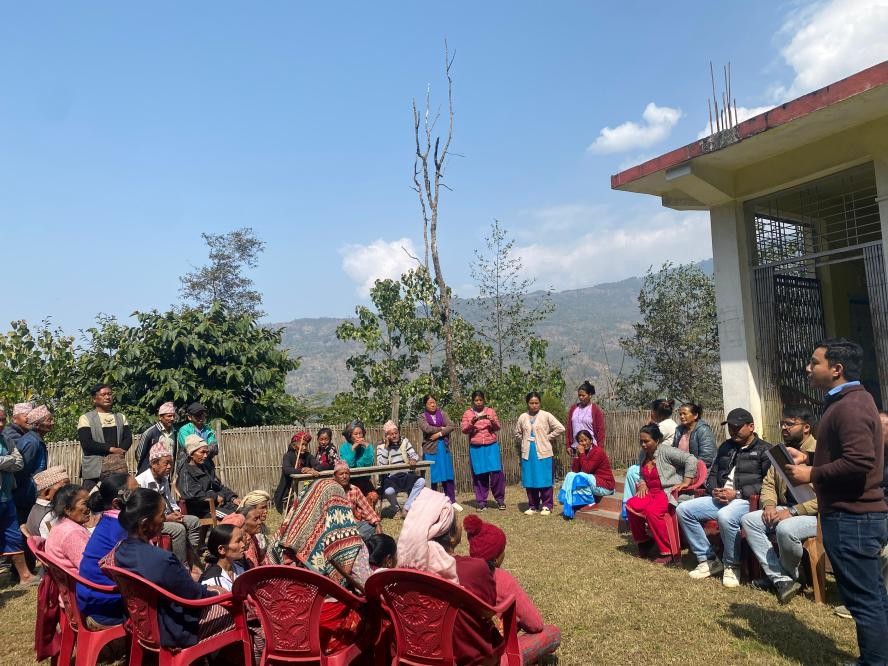
I expected an NCD screening campaign to be an opportunity to identify health risks through clinical assessments, measurements, and data collection. However, it became much more than a screening activity — it became a lesson in understanding people. Behind every elevated blood pressure reading was a story: long distances to reach health facilities, limited awareness about chronic diseases, financial challenges, or the belief that feeling healthy meant being healthy. The experience reminded me that public health is not only about collecting data; it is about building trust, understanding communities, and connecting people to care.
When the Government of Nepal designated Falgun as the month for Non-Communicable Disease (NCD) awareness and screening, it provided an opportunity to understand the growing burden of chronic diseases beyond textbooks, statistics, and policy documents. As part of the community-level NCD screening and awareness campaign in Madi Municipality, Sankhuwasabha, I witnessed how silently NCDs are affecting communities. The experience changed my perspective from seeing diseases as numbers to understanding the people and stories behind those numbers.
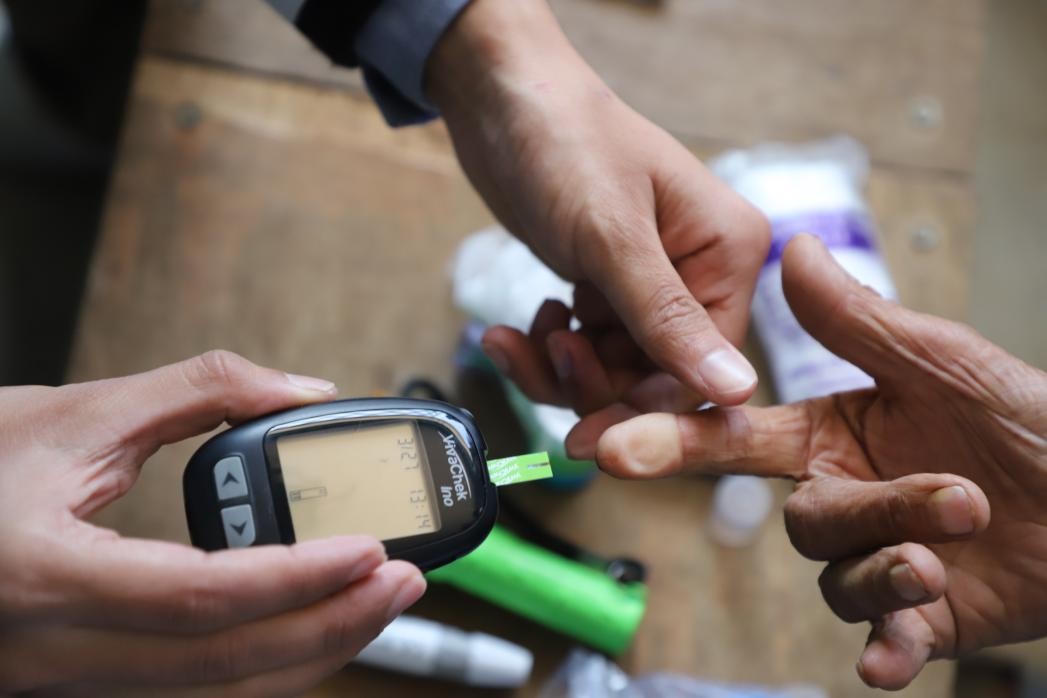
The campaign aimed to identify early signs of hypertension, diabetes, kidney-related problems, and obesity among adults aged 30 years and above while providing counseling, treatment support, and referral services. Screening was conducted across all nine wards of the municipality through collaboration between health workers, Female Community Health Volunteers, and clinical teams.
During the campaign, 1,120 community members were screened, including 662 women and 458 men. The findings revealed a substantial hidden burden of NCDs: 285 individuals (25.4%) had high blood pressure, 96 (8.6%) had elevated blood sugar levels suggestive of diabetes, 204 (18.2%) were identified with obesity, and 74 (6.6%) required further assessment for kidney-related problems. Overall, 166 people (14.8%) received treatment services, while 302 (27.0%) were referred for further evaluation.
Behind Every Number Was a Person
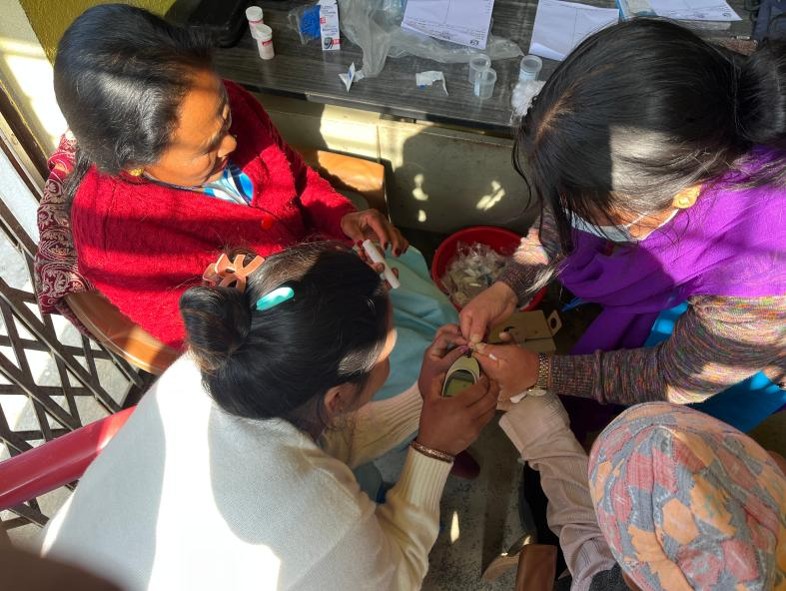
One of the most striking observations during the screening was how many people were unaware of their own health status. Many participants could not remember the last time they checked their blood pressure or blood sugar. For some, this screening camp was their first health assessment in years. This made me realize that the challenge of NCDs is not only the disease itself but also the gap between communities and preventive healthcare services.
Unlike infectious diseases, which often show immediate symptoms, NCDs develop silently. A person may feel healthy while hypertension, diabetes, or kidney problems are gradually affecting their health. Therefore, prevention and early detection must reach communities before complications occur.
Seeing Risk Factors Beyond Textbooks
Before this campaign, I understood NCD risk factors academically — tobacco use, harmful alcohol consumption, unhealthy diets, and physical inactivity. However, observing these factors in real communities gave them a deeper meaning.
Alcohol consumption was one of the visible challenges. Some individuals arrived at the screening site while under the influence of alcohol, and several had extremely high blood pressure readings. This highlighted the connection between daily behaviors and long-term health consequences.
Another observation that deeply surprised me was the widespread consumption of sugary beverages among both children and adults. Many people consumed these drinks simply because of taste and habit, without understanding their potential health impacts. This experience made me reflect that access to food alone does not guarantee health. Awareness, choices, cultural practices, marketing influence, and daily behaviors all shape health outcomes.
The Double Burden of Disease
Nepal is experiencing a changing health landscape. While communicable diseases and undernutrition remain important challenges, NCDs are rapidly increasing. During my interactions with community members, I observed that many people had some awareness about diseases like cancer but limited understanding of other NCDs and their risk factors. Conditions such as hypertension and diabetes were often not recognized as serious chronic diseases requiring lifelong prevention and management.
This reflects Nepal's double burden of disease — where communities continue to face traditional health challenges while also experiencing a growing burden of lifestyle-related diseases.
Screening Is Only the Beginning
One of the biggest lessons I learned was that screening alone cannot solve the NCD crisis. Identifying high blood pressure or elevated blood sugar is only the first step. The greater challenge is supporting individuals to adopt healthier behaviors.
Policies and programs are important, but they must be supported by effective behavior change communication. Health messages need to consider why people make certain choices, how culture influences behavior, and how education level affects understanding. Sustainable change happens when people do not just receive health information but understand, accept, and practice healthier choices.
A blood pressure reading represents someone's lifestyle, family, challenges, beliefs, and access to healthcare. A blood sugar result represents more than a laboratory value — it represents an opportunity for prevention.
This NCD screening campaign taught me that public health is not only about collecting data, conducting screenings, or preparing reports. It is about understanding people. The experience strengthened my belief that effective public health interventions require a combination of evidence, community participation, health literacy, and behavioral change strategies. The numbers from this campaign were important. But the stories behind those numbers were what truly shaped my understanding of public health.